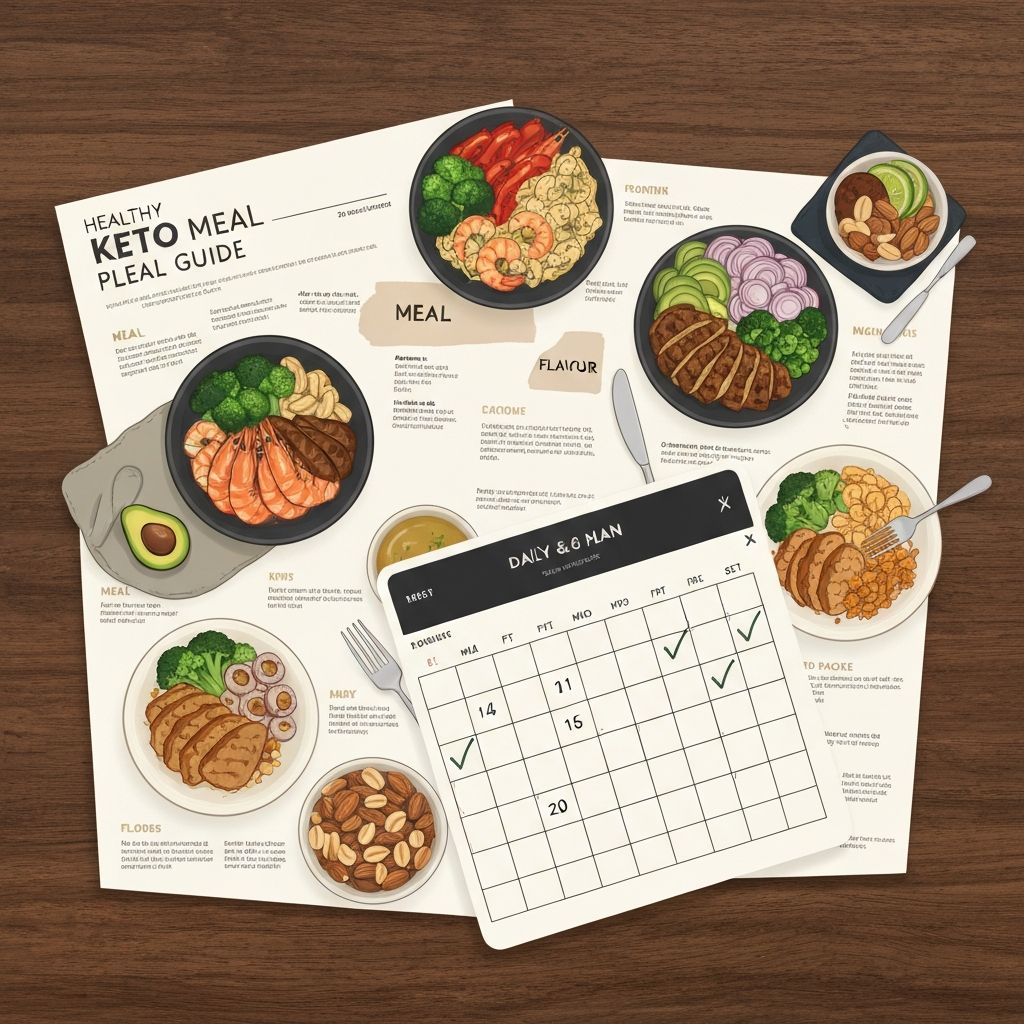
Beginner's Guide to Ketosis
Everything you need to know about entering and maintaining ketosis for optimal fat burning and energy.
What is the Keto Diet?
The ketogenic (keto) diet is a low-carb, high-fat eating plan that has gained incredible popularity for its potential health benefits and weight loss results. By drastically reducing your carbohydrate intake and replacing it with healthy fats, your body enters a metabolic state called ketosis.
Quick Facts
- ✓ Typical macro ratio: 70% fat, 25% protein, 5% carbs
- ✓ Usually limits carbs to 20-50g per day
- ✓ Takes 2-7 days to enter ketosis
- ✓ Focuses on whole, unprocessed foods
Understanding Ketosis
Ketosis is a natural metabolic state where your body switches from using glucose (from carbs) as its primary fuel source to using ketones (from fat). When you drastically reduce carbohydrate intake, your body begins breaking down fat stores and dietary fat into ketones, which become your brain and body's main energy source.
Signs You're in Ketosis
- Increased energy: After the initial adaptation period, many people experience sustained energy levels throughout the day
- Reduced appetite: Fat and protein are highly satiating, naturally reducing hunger
- Mental clarity: Ketones are an efficient fuel source for the brain
- Weight loss: Your body becomes efficient at burning fat for fuel
- Fruity breath: A temporary side effect as your body expels excess ketones
Getting Started: Your First Week
Step 1: Clean Out Your Pantry
Remove high-carb foods from your kitchen to avoid temptation. This includes bread, pasta, rice, sugary snacks, and most processed foods.
Step 2: Stock Up on Keto Foods
Fill your kitchen with keto-friendly options:
- Healthy fats: Avocados, olive oil, coconut oil, butter, ghee
- Proteins: Eggs, fatty fish (salmon, mackerel), chicken, beef, pork
- Low-carb vegetables: Spinach, kale, broccoli, cauliflower, zucchini
- Dairy: Cheese, heavy cream, full-fat yogurt (in moderation)
- Nuts and seeds: Almonds, walnuts, chia seeds, flaxseeds
Need convenient options for on-the-go? Check out our Top 20 Keto Snacks to Buy Online for ready-made low-carb snacking solutions.
Step 3: Plan Your Meals
Meal planning is crucial for keto success. Start with simple meals and gradually experiment with more complex recipes as you become comfortable with the diet.
Sample Day of Eating
Scrambled eggs with avocado and spinach cooked in butter
Grilled chicken salad with olive oil dressing, mixed greens, and cheese
Baked salmon with roasted broccoli and cauliflower rice
Handful of almonds, celery with almond butter, or cheese cubes
Looking for more breakfast inspiration? Try our Ultimate Keto Breakfast Bowl Recipe for a protein-packed start to your day.
Common Mistakes to Avoid
1. Not Eating Enough Fat
Many beginners struggle because they reduce carbs but don't increase fat intake enough. Remember, fat is your primary fuel source on keto.
2. Forgetting to Stay Hydrated
Keto has a diuretic effect, meaning you'll lose water weight initially. Drink plenty of water and replenish electrolytes (sodium, potassium, magnesium) to avoid the "keto flu."
To prevent keto flu and optimize your results, consider our recommended essential keto supplements, especially electrolytes and magnesium.
3. Not Tracking Your Macros
At least in the beginning, use a food tracking app to ensure you're staying within your carb limit and getting enough fat and protein.
4. Giving Up Too Soon
The first week can be challenging as your body adapts. Symptoms like fatigue, headaches, and irritability (the "keto flu") are temporary. Push through, stay consistent, and you'll feel better within a few days.
Benefits of the Keto Diet
- Weight Loss: Efficient fat burning and reduced appetite make weight loss more manageable
- Improved Energy: Stable blood sugar levels mean no energy crashes
- Better Mental Focus: Ketones provide clean, consistent fuel for your brain
- Reduced Inflammation: Many people report decreased joint pain and inflammation
- Better Blood Sugar Control: Particularly beneficial for people with type 2 diabetes
Tips for Long-Term Success
- Be patient with yourself: Adaptation takes time, and everyone's journey is different
- Find keto-friendly alternatives: Craving pizza? Try a cauliflower crust. Missing pasta? Use zucchini noodles
- Join a community: Connect with others on the keto journey for support and recipe ideas
- Listen to your body: Some people thrive on strict keto, others do better with a more flexible approach
- Focus on whole foods: Don't rely on packaged "keto" products; prioritize nutrient-dense, whole foods
If you're active or building muscle, check out our review of the best keto protein powders to support your fitness goals while staying in ketosis.
Continue Your Keto Journey:
Disclaimer: Always consult with a healthcare professional before starting any new diet, especially if you have existing health conditions or take medications.